

 See My Latest Article on HelloNation
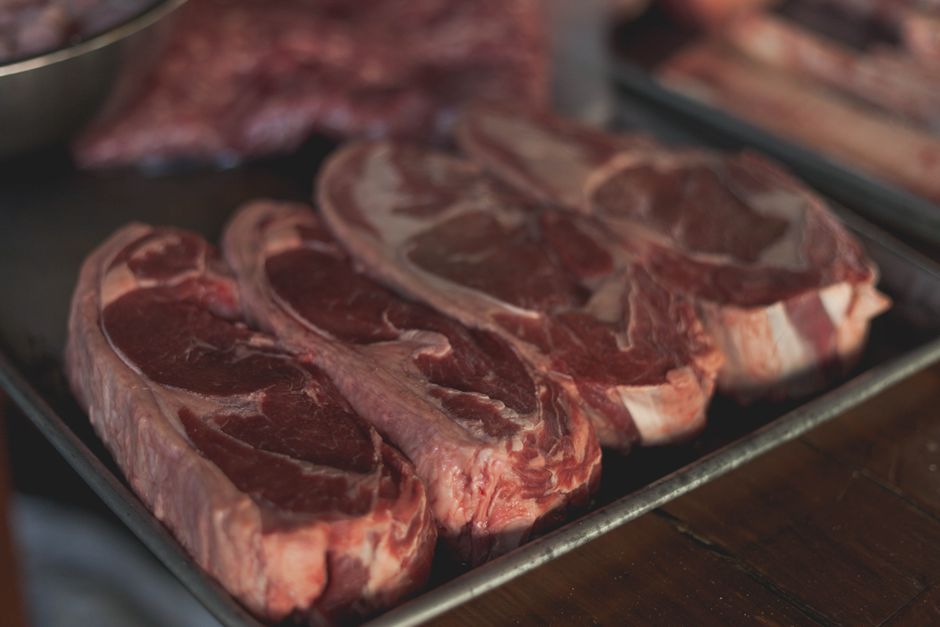
Beef grades can help shoppers predict tenderness, juiciness, and flavor, but the grade is only one part of the buying decision. Understanding what the USDA labels mean makes it easier to choose beef for a weeknight meal, a backyard cookout, slow cooking, or a special occasion without paying for qualities that may not matter for a particular dish.
What does a beef grade actually measure?
A beef quality grade is an assessment of expected eating quality. The main factors are marbling, the small streaks of fat within the lean muscle, and the animal’s maturity.
Marbling matters because it can melt during cooking, adding moisture, tenderness, and flavor. Maturity also matters because beef from younger cattle generally has a finer texture and tends to be more tender.
The USDA quality grades most commonly seen by shoppers are:
- Prime
- Choice
- Select
Other official grades include Standard, Commercial, Utility, Cutter, and Canner. These lower grades are less commonly identified on ordinary retail packages and may be used in processed products or other food-service channels.
A quality grade does not measure cleanliness, food safety, nutrition, or whether a cut is appropriate for every cooking method. Proper handling and cooking remain essential regardless of grade.
What is USDA Prime beef?
USDA Prime has the highest level of marbling among the grades commonly sold at retail. It usually produces beef that is especially rich, juicy, and tender when cooked correctly.
Prime is often chosen for naturally tender cuts such as:
- Ribeye steaks
- Strip steaks
- Tenderloin
- Porterhouse and T-bone steaks
Prime can be useful for dry-heat cooking, such as grilling, broiling, or pan-searing. The extra marbling provides a larger margin for error if a steak cooks slightly longer than intended, although overcooking can still make any steak dry.
Prime is not automatically the right choice for every meal. Its higher fat content may be unnecessary for ground beef, heavily seasoned dishes, or slow-cooked recipes where tenderness comes primarily from time and moisture.
What is USDA Choice beef?
USDA Choice is high-quality beef with less marbling than Prime. It is often a practical middle ground because it can provide good flavor and tenderness without the richness or cost associated with the highest grade.
Choice beef is versatile for:
- Steaks cooked on a grill or skillet
- Roast beef
- Fajitas
- Stir-fry
- Burgers and meatloaf
- Family meals prepared in batches
Not every Choice steak is identical. Some Choice cuts are close to Prime in marbling, while others are closer to Select. Looking at the meat itself can help. A steak with visible, evenly distributed marbling will generally offer a juicier result than one that is very lean, even if both carry the Choice label.
What is USDA Select beef?
USDA Select is generally leaner than Prime and Choice. It can still be tender, particularly when the cut is naturally tender and cooked carefully, but it usually has less internal fat to provide moisture and flavor.
Select beef often works well when:
- A leaner option is preferred
- The meat will be sliced thinly
- A marinade or sauce will add moisture
- The cut will be braised or slow-cooked
- The recipe includes vegetables, broth, or other flavorful ingredients
Lean steaks from this grade can become dry if cooked too far past the desired doneness. Marinating, avoiding excessive heat, and slicing against the grain can improve the eating experience.
Is a higher grade always more tender?
No. Grade helps predict eating quality, but the cut and cooking method may matter just as much.
A tenderloin is naturally tender because of where the muscle is located, while a chuck roast contains more connective tissue and needs extended cooking. A highly marbled chuck roast is not meant to be treated like a steak, and a lean Select tenderloin may still be tender when prepared properly.
Tenderness is also affected by:
- The specific cut
- Aging after processing
- Thickness of the steak
- Whether the meat is mechanically tenderized
- Cooking temperature and time
- Resting before slicing
- Slicing direction
For example, a Choice chuck roast cooked slowly in a covered pot may be more satisfying than a Prime steak cooked past well-done. Matching the grade and cut to the recipe is more useful than assuming the highest grade is always the best choice.
What is the difference between quality grade and yield grade?
Quality grade and yield grade describe different characteristics.
Quality grade estimates eating quality, especially tenderness, juiciness, and flavor. Prime, Choice, and Select are examples of quality grades.
Yield grade estimates how much usable, closely trimmed meat can be obtained from a carcass. Yield Grade 1 indicates a higher expected amount of closely trimmed retail cuts, while Yield Grade 5 indicates more external fat and a lower expected yield.
A beef product can have a high quality grade but a less favorable yield grade, or the reverse. Yield grade is more relevant to processors and large-volume buyers than to most households selecting individual steaks or roasts.
Does the grade affect nutrition?
The nutritional difference between grades is usually smaller than many people assume. The main distinction is the amount and distribution of fat, especially marbling.
A leaner Select steak may contain less fat than a heavily marbled Prime steak, but preparation also affects the final meal. Added oil, butter, sauces, cheese, and portion size can change the overall nutritional profile significantly.
People choosing beef for nutritional reasons should look beyond the grade and consider:
- Visible external fat
- Serving size
- Cooking method
- Whether fat is drained from ground beef
- The rest of the meal
A quality grade is not a health rating. It primarily describes expected eating characteristics.
How should Midland households use beef grades in different seasons?
The local climate can influence cooking preferences throughout the year. During hot weather, thinner Choice or Select steaks may cook quickly on an outdoor grill, while lean cuts benefit from careful timing to avoid drying out. In cooler months, chuck roast, brisket, and other slow-cooking cuts can be practical choices for meals that use a covered pot or smoker.
Dry conditions can also make outdoor cooking feel more intense, especially when food is exposed to wind or high heat. Using a thermometer is more dependable than judging doneness by color alone. Steaks and roasts should also rest after cooking so juices can redistribute before slicing.
For households that stock meat during seasonal sales, freezing can preserve quality, but packaging should limit air exposure. Heavy-duty freezer wrapping or airtight packaging helps reduce freezer burn, which affects texture even though it does not necessarily make the food unsafe.
What should shoppers look for besides the grade?
The grade should be considered alongside appearance, cut, thickness, freshness, and intended use.
Look for marbling that is fine and spread throughout the lean rather than concentrated in one large pocket. Excessive surface moisture, damaged packaging, or an unusual odor after opening can indicate a quality or storage problem unrelated to the grade.
For steaks, thickness often matters because thicker cuts are easier to brown on the outside while staying properly cooked inside. For roasts, connective tissue and cooking time are usually more important than choosing the highest grade available.
The simplest approach is to match the purchase to the meal:
- Choose Prime for rich, special-occasion steaks when extra marbling is desired.
- Choose Choice for an adaptable balance of flavor, tenderness, and value.
- Choose Select for leaner meals, marinades, thin slices, or recipes with added moisture.
- Choose based on the cut and cooking method before paying extra for a higher grade.
Understanding those distinctions helps local residents make informed choices without treating a grade label as a guarantee of perfect results.