

 See My Latest Article on HelloNation
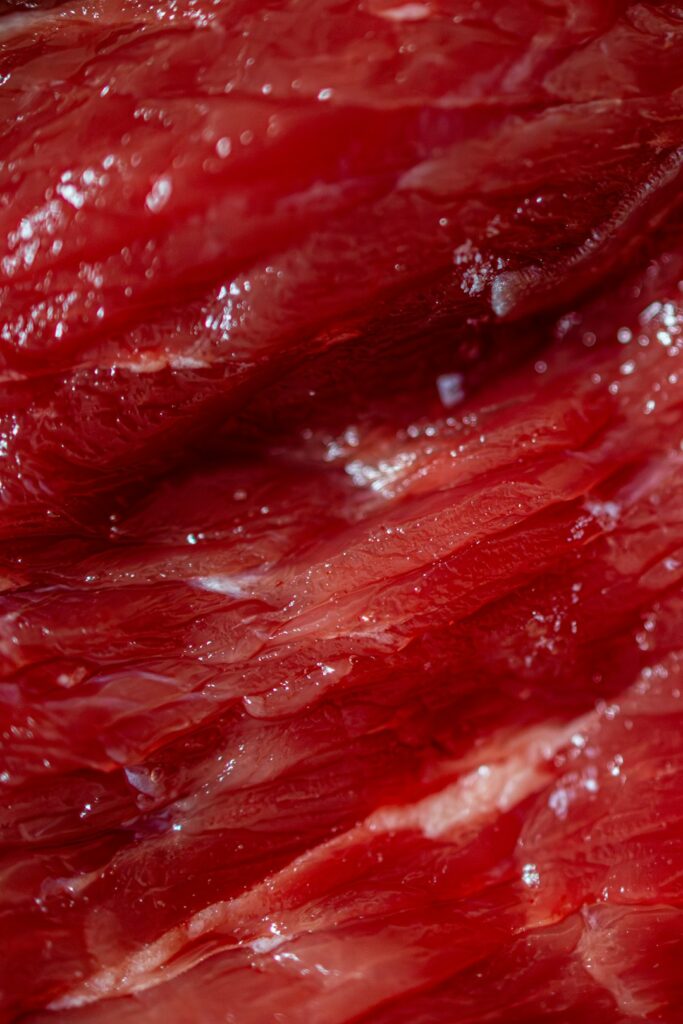
Fresh meat usually has a clean appearance, a natural smell, and a firm, moist texture. However, freshness and safety are not exactly the same thing: harmful bacteria may be present even when meat looks and smells normal. Checking the meat itself is useful, but storage time, temperature, packaging, and safe cooking practices matter just as much.
What should fresh meat look like?
Fresh meat should have a natural color for its type, with no unusual discoloration, fuzzy growth, or excessive drying.
Beef may range from bright cherry red to a deeper purplish-red, especially when it has been sealed in oxygen-free packaging. A darker surface does not automatically mean the meat is spoiled. Once exposed to air, the color can change naturally.
Pork is commonly pink to pale pink, while lamb may appear pink to deep red. Poultry is generally pale pink, with color variation depending on the cut and packaging.
Look for these visual warning signs:
- Green, yellow, or iridescent discoloration that appears abnormal
- Mold or fuzzy spots
- Dried-out edges combined with an unpleasant odor
- Excessive liquid, leaking packages, or damaged wrapping
- Packaging that is puffed, leaking, or no longer sealed
A small amount of liquid in a package does not necessarily mean the meat is spoiled. Meat naturally releases moisture during storage, especially after being cut or frozen. The liquid should not be used as the only test.
How should fresh meat smell?
Fresh meat generally has a mild, clean smell. Some cuts may have a faint iron-like or metallic scent, particularly beef. Vacuum-sealed meat can also have a temporary odor when the package is first opened. That smell should lessen after the meat is exposed to air for several minutes.
A strong sour, rotten, sulfur-like, or ammonia-like odor is a reason to discard the meat. Do not taste meat to determine whether it is safe.
Odor can be affected by packaging, seasonings, marinades, or nearby foods in the refrigerator. If the smell remains unpleasant after opening the package and allowing it to air briefly, the safest choice is not to use it.
What texture indicates spoilage?
Fresh meat should feel firm and slightly moist, but not sticky or slimy. A little surface moisture is normal. Sliminess, tackiness, or a coating that remains after gently rinsing is a warning sign of spoilage.
Rinsing raw meat is not recommended as a way to make it safer. Water can spread bacteria to sinks, counters, utensils, and nearby foods. If the texture or smell suggests spoilage, washing the meat will not correct the problem.
Ground meat deserves extra attention because grinding spreads surface bacteria throughout the product. Fresh ground beef should have a moist but not slippery texture and should be used promptly after purchase or thawing.
Does color alone prove that meat is fresh?
No. Color is one clue, but it cannot prove that meat is safe or spoiled.
Beef may look purplish inside vacuum packaging and become brighter red after exposure to oxygen. Ground beef can also develop brown areas inside the package while remaining acceptable, particularly when air has not reached the center.
On the other hand, meat can look normal while containing harmful bacteria. Pathogens generally cannot be seen, smelled, or tasted. This is why appearance checks must be combined with proper refrigeration, storage limits, and cooking temperatures.
Color also should not be used to judge whether meat is fully cooked. A food thermometer is more reliable than appearance, especially for ground meats and poultry.
How does Midland’s climate affect meat freshness?
Warm conditions can shorten the safe handling window. During hot weather, meat should be taken directly home after shopping rather than left in a vehicle while running errands. A parked car can become much warmer than the outdoor temperature, even during a short stop.
For gatherings, outdoor cooking, or extended travel, use an insulated cooler with enough ice or frozen cold packs to keep raw meat at refrigerator temperature. Keep packages sealed and separate from ready-to-eat foods.

A refrigerator should be kept at 40°F or below. An appliance thermometer is more dependable than the refrigerator’s dial setting, which may not accurately reflect the temperature in different areas of the unit.
How long can raw meat stay refrigerated?
Storage time depends on the type of meat and how it was packaged.
As a general guide:
- Raw poultry, ground meat, and organ meats should usually be cooked or frozen within one to two days.
- Fresh beef, pork, veal, and lamb steaks, chops, and roasts generally keep for three to five days when refrigerated at 40°F or below.
- Packaged meat should be checked for its use-by or sell-by information, but those dates are not a substitute for temperature control.
- Meat that has been thawed in the refrigerator should be used within the appropriate refrigerated storage period.
If the package has been opened, wrap it tightly or place it in a sealed container. Store raw meat on the lowest refrigerator shelf so leaking juices cannot drip onto produce or prepared food.
What does a bad package look like?
A package may be unsafe or poor quality if it has broken seals, leaking juices, unusual swelling, or a strong odor when opened. Excess air inside a package can sometimes be normal, but a package that appears significantly bloated should be treated cautiously.
Freezer burn is different from spoilage. Grayish-brown, dry, leathery patches caused by air exposure can affect taste and texture but do not automatically mean the meat is unsafe. Those areas may be trimmed before cooking if the meat has remained continuously frozen.
Meat that has thawed and warmed substantially should not be judged by appearance alone. If it has been above 40°F for more than two hours, or for more than one hour when the surrounding temperature is above 90°F, it should be discarded. This is especially relevant during hot-weather power outages, outdoor events, and long trips home.
What should be done if freshness is uncertain?
When smell, texture, packaging, and storage history do not agree, use the most cautious judgment. Meat with a clear spoilage odor, slimy coating, mold, or a questionable temperature history should not be cooked or tasted.
Cooking can destroy many bacteria, but it does not make every poorly handled product safe, and some toxins may remain. “Cooking it extra well” is not a dependable solution for meat that has spoiled.
Raw meat should be handled with clean hands and separate utensils. After preparation, wash cutting boards, counters, knives, and hands with hot, soapy water. Cook ground beef to 160°F and poultry to 165°F, checking the thickest part with a food thermometer rather than relying on color.
The most reliable assessment combines three questions: Does the meat look normal for its type? Does it have a clean or mild smell? Has it stayed cold and been used within a reasonable storage period? If any answer raises serious doubt, discarding the meat is safer than taking a chance.