

 See My Latest Article on HelloNation
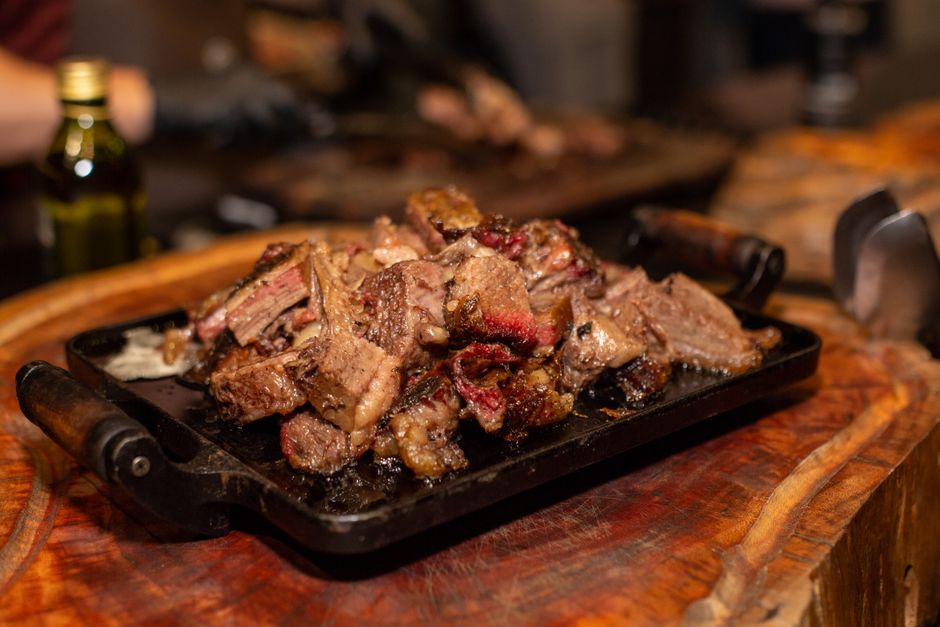
Choosing the right cut of meat starts with the cooking method, not the name on the package. A tender cut usually works best with quick, dry heat, while tougher cuts become flavorful and tender through slower cooking with moisture.
For households in Midland, TX, that distinction is especially useful during hot-weather grilling, weekend gatherings, and cooler-season meals prepared in the oven or slow cooker. The best choice depends on the time available, the number of people being served, the desired texture, and the cooking equipment on hand.
What should be considered before choosing a cut?
The meal plan should answer four basic questions:
- How will the meat be cooked?
- How much time is available?
- Is tenderness, flavor, or budget the highest priority?
- Will the meat be served whole, sliced, chopped, or shredded?
A thick steak intended for a quick dinner requires a different cut than beef for tacos, stew, sandwiches, or a family roast. Buying a tender cut for a slow braise can waste money, while trying to grill a naturally tough cut may produce disappointing results.
The package label can help. Look for the specific cut name, such as chuck roast, ribeye steak, sirloin steak, round roast, brisket, or flank steak. General labels such as “beef roast” or “steak” provide less information about the proper cooking method.
Which cuts are best for grilling or broiling?
Tender cuts from the loin and rib areas are generally well suited to grilling, broiling, or pan-searing. These methods use high, dry heat and work best when the meat does not require a long period to soften connective tissue.
Common choices include:
- Ribeye for rich flavor and abundant marbling
- Strip steak for a firm texture and beef-forward flavor
- Tenderloin for very soft texture and mild flavor
- Sirloin for a balance of tenderness, flavor, and cost
- T-bone or porterhouse for a large serving with two distinct muscles
Flat cuts such as flank or skirt steak can also be grilled successfully. They are flavorful but should be cooked quickly and sliced thinly across the grain. Cutting with the grain can make even properly cooked meat seem tough.
For outdoor cooking during hot Midland weather, thinner steaks and smaller portions may be easier to manage because they cook quickly and reduce the time spent near a hot grill. A thermometer remains more reliable than appearance alone, particularly for thick cuts.
What cuts work best in a slow cooker or braise?
Chuck, brisket, shank, and many round cuts are better suited to slow cooking. These cuts contain more connective tissue, which gradually breaks down during extended cooking with moisture. The result can be tender meat for pot roast, stew, shredded beef, or hearty filling.
Chuck roast is a dependable choice for a traditional braise because it combines muscle, connective tissue, and enough fat to remain flavorful during a long cook. Brisket can also become tender, but it usually benefits from careful temperature control and sufficient cooking time.
A tougher cut should not be judged by its raw texture. Cuts that feel firm before cooking may be ideal for a covered pot, slow cooker, or pressure cooker. The key is matching the cut with a method that gives connective tissue time to soften.
Avoid cooking these cuts quickly over high heat unless the package specifically identifies them as a tenderized or quick-cooking product. A tough cut is not made tender simply by raising the temperature.
How do steaks differ from roasts?
Steaks are usually portioned for quick cooking, while roasts are larger pieces intended for oven roasting, braising, smoking, or slow cooking. However, the distinction is not only about size.
A steak from a tender section may be cooked rapidly and served whole. A roast from the chuck or round may require a longer method, even if it is similar in shape. A round steak, for example, is lean and can become dry if overcooked. It may work better when sliced thinly, marinated, or cooked with moisture.
For a family meal, a roast can be practical because it provides multiple servings and leftovers. For a quick weeknight meal, steaks, thin-sliced beef, ground meat, or small portions may be easier to cook evenly.
How do marbling, leanness, and thickness affect the choice?
Marbling refers to small streaks of fat within the muscle. It contributes to flavor, juiciness, and tenderness, especially during grilling or roasting. Cuts with more marbling are often forgiving if cooking runs slightly longer than planned.
Lean cuts can still be excellent, but they require more attention. Sirloin, round, and certain trimmed steaks may benefit from:
- Shorter cooking times
- Slicing across the grain
- A marinade or seasoned oil
- Serving with sauce or cooking juices
- Avoiding excessive heat after reaching the desired doneness
Thickness matters as much as the cut name. A thin steak can overcook quickly, while a thick steak may brown on the outside before the center is ready. When comparing packages, consider both the total weight and the thickness of individual portions.
How much meat is needed per person?
The amount depends on the cut, the appetites of the diners, and the side dishes. Boneless meat generally provides more edible portion than bone-in meat. A meal with several filling sides requires less meat per person than a meal centered almost entirely on the main course.
For leftovers, sandwiches, tacos, or meal preparation, a larger roast may be more efficient than individual steaks. Ground meat is often practical for feeding a group because it can be portioned into burgers, meatballs, meatloaf, or seasoned fillings.
Buying extra meat is not always the best strategy. Large portions take longer to cool and store safely, and lean leftovers may dry out when reheated. Plan for the intended meal first, then add a modest amount if leftovers are wanted.
What should shoppers look for in the package?
Examine the cut name, thickness, visible fat, and package condition. A small amount of exterior fat can help protect a roast during cooking, while excessive fat may reduce the usable portion. For steaks, even thickness promotes more consistent cooking.
Color alone is not a complete measure of freshness. Fresh beef may appear purplish-red inside packaging and become brighter red when exposed to air. More useful checks include the use-by or sell-by information, intact packaging, and proper refrigeration.
If the name is unfamiliar, the most useful question is: “What cooking method is recommended for this cut?” A knowledgeable meat counter employee can often explain whether a product is intended for grilling, roasting, braising, or slicing thinly.
What food-safety details should not be overlooked?
Whole cuts of beef, pork, lamb, and veal should reach at least 145°F and rest for three minutes before carving. Ground beef should reach 160°F because grinding can distribute bacteria throughout the product. A food thermometer is more dependable than color, timing, or surface appearance.
Keep raw meat separate from ready-to-eat foods, refrigerate it promptly, and thaw it in the refrigerator, cold water, or a microwave rather than on the counter. Meat should not be washed before cooking because splashing can spread bacteria around the kitchen.
The best cut is ultimately the one that matches the cooking method and the meal’s purpose. Tender steaks suit fast heat, well-marbled cuts offer richness, lean cuts reward careful timing, and tougher cuts can become exceptionally satisfying when cooked slowly with moisture.